

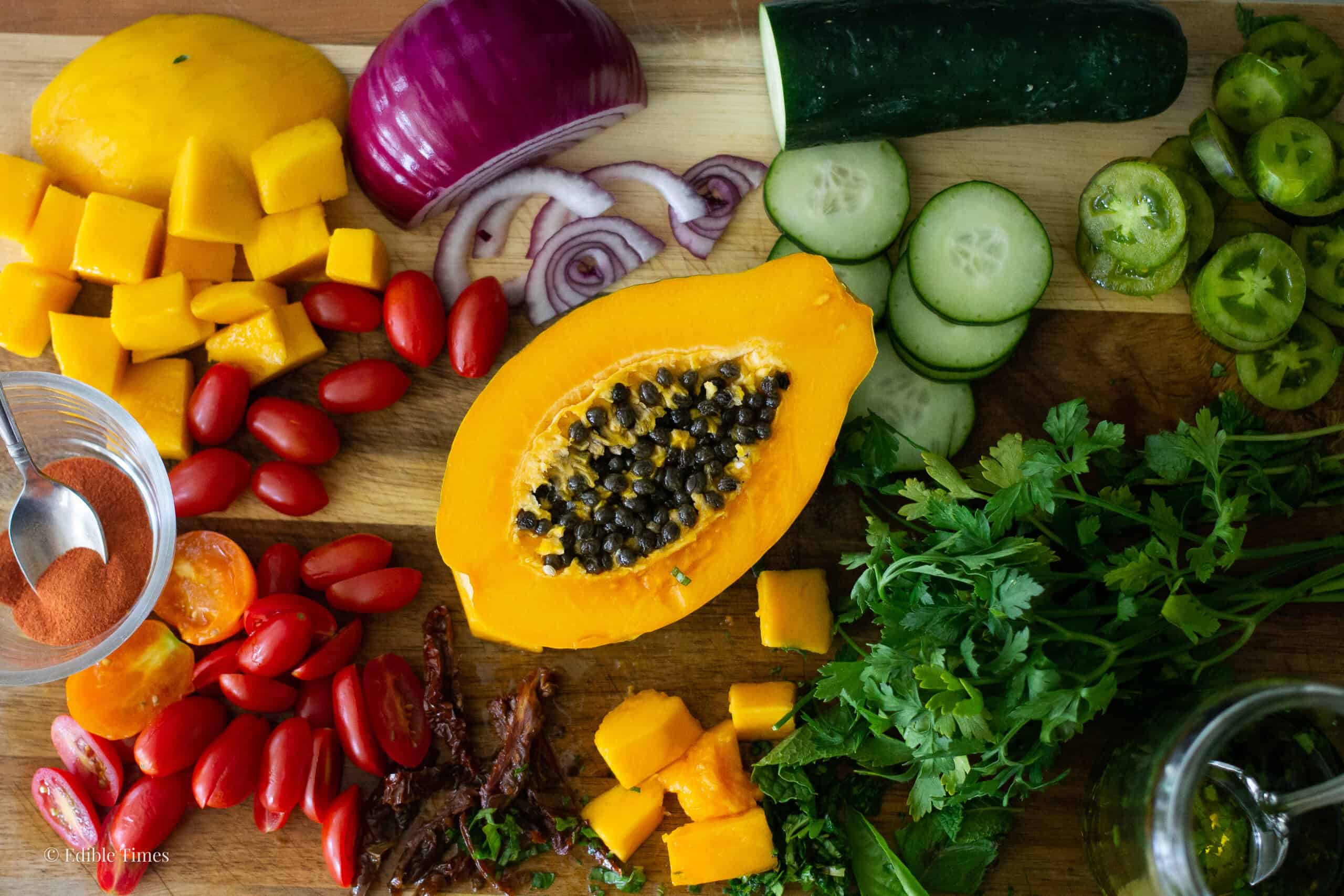
Chronic inflammation quietly drives heart disease, cancer, and diabetes. The good news? What you put on your plate is one of the most powerful tools to fight back.
Jump to:
What is Inflammation?
Inflammation is your body's natural defense system — a biological response that fights infection, heals injury, and protects tissue. When it works correctly, it's essential. When it doesn't resolve and becomes chronic, inflammation can lead to every major disease in modern life. Heart disease. Cancer. Diabetes. Alzheimer's. The research is unambiguous: chronic inflammation is the common thread.
Chronic Inflammation
Chronic inflammation operates silently, often below the pain threshold, and can go undetected. It's what happens when the body's healing response goes haywire - a loop of repair and destruction (instead of just repair). This low-grade activation destroys tissues while also trying to fix them (you can see where the problem lies). Unlike a bruise, you don't feel it. Adding insult to injury, the effects accumulate over time.
Chronic inflammation plays a role in at least seven of the top 10 causes of mortality in the United States.
- Alzheimer's disease
- Cancer
- Chronic lung disease
- Heart disease
- Kidney disease
- Type 2 diabetes
- Stroke
The lesser-known part about chronic inflammation is that what you eat is one of the most powerful tools for stopping it. And that's the good news.
Acute Inflammation
To be clear, inflammation is the body doing its job. When you get a splinter, stub your toe, or catch a cold, your immune system floods the area with white blood cells, proteins, and chemical signals to destroy the threat and begin repair. This localized response is acute inflammation; it is often visible, painful, and temporary. The redness around a cut, the swelling of a sprained ankle. However inconvenient, unlike its chronic brother, acute inflammation heals and eventually passes.
What Causes Chronic Inflammation?
Many factors drive chronic inflammation: smoking, lingering infection, lack of exercise, obesity, stress, environmental toxins, and even your gut bacteria. But diet is among the most influential, and unlike genetics or age, it is something you can change.
The Diet Factor
The Standard American Diet (SAD) - or often called a Western diet - feeds chronic inflammation at every meal. It's heavy in refined sugars, processed and packaged foods, sodium, omega-6 oils, and meat cooked at high heat. Each of these, eaten in excess, keeps inflammation running in the background. Too much sugar strains the liver. Not enough fiber is linked to colon cancer. And a salty diet can lead to high blood pressure.
The AGE Factor
One key culprit of chronic inflammation is Advanced Glycation End Products (AGEs). They form when sugars bond to proteins or fats during high-heat, dry cooking. That golden-brown, delicious color on food, or what chefs call the Maillard Reaction, is a primary source of AGEs in the diet. Think grilled meats, the bubbling cheese on pizza, and baked goods. Once inside the body, AGEs bind to cells and trigger an inflammatory response. Over time, the buildup contributes to vascular disease (arterial stiffening), accelerated aging, and diabetic complications.
The Fat Imbalance
The body needs both omega-6 and omega-3 fatty acids, but in the right amounts. A healthy diet maintains roughly a 4:1 ratio - four times as many omega-6s to omega-3s. The typical Western diet runs closer to a 20:1 ratio. This imbalance can possibly keep the body's inflammatory engine running and is implicated in autoimmune and allergy responses.
Omega-6s are found in processed foods, corn and soybean oils, and fast food, and are beneficial when eaten in smaller amounts. Heart-healthy omega-3s come from salmon, walnuts, flaxseed, and chia seeds; they are anti-inflammatory with proven benefits for cardiovascular and brain health.
Inflammatory Foods
| Food | Why It Causes Inflammation |
|---|---|
| Red, processed & cured meats | Nitrates/nitrites + high AGEs |
| Grilled and roasted meat | AGE formation during cooking |
| Commercial baked goods & white flour | Refined carbs spike blood sugar, driving AGE production |
| Deep-fried foods | High AGEs + Omega-6 overload from frying oils |
| Trans-fatty acids from margarine and bottled dressings | Saturated fats increase LDL (bad cholesterol) in the blood |
| Sugar-sweetened drinks | Blood sugar spikes accelerate AGE formation |
| Cooking and processed oils high in omega-6s, such as corn and soybean oil | Too many create an imbalance with omega-3s |
Anti-Inflammatory Foods
The most evidence-based approach to an anti-inflammatory diet is the Mediterranean diet. Centered on vegetables, legumes (beans), fruits, whole grains, nuts, seafood, and high-quality fats like extra-virgin olive oil, it eliminates the problems a Western diet creates.
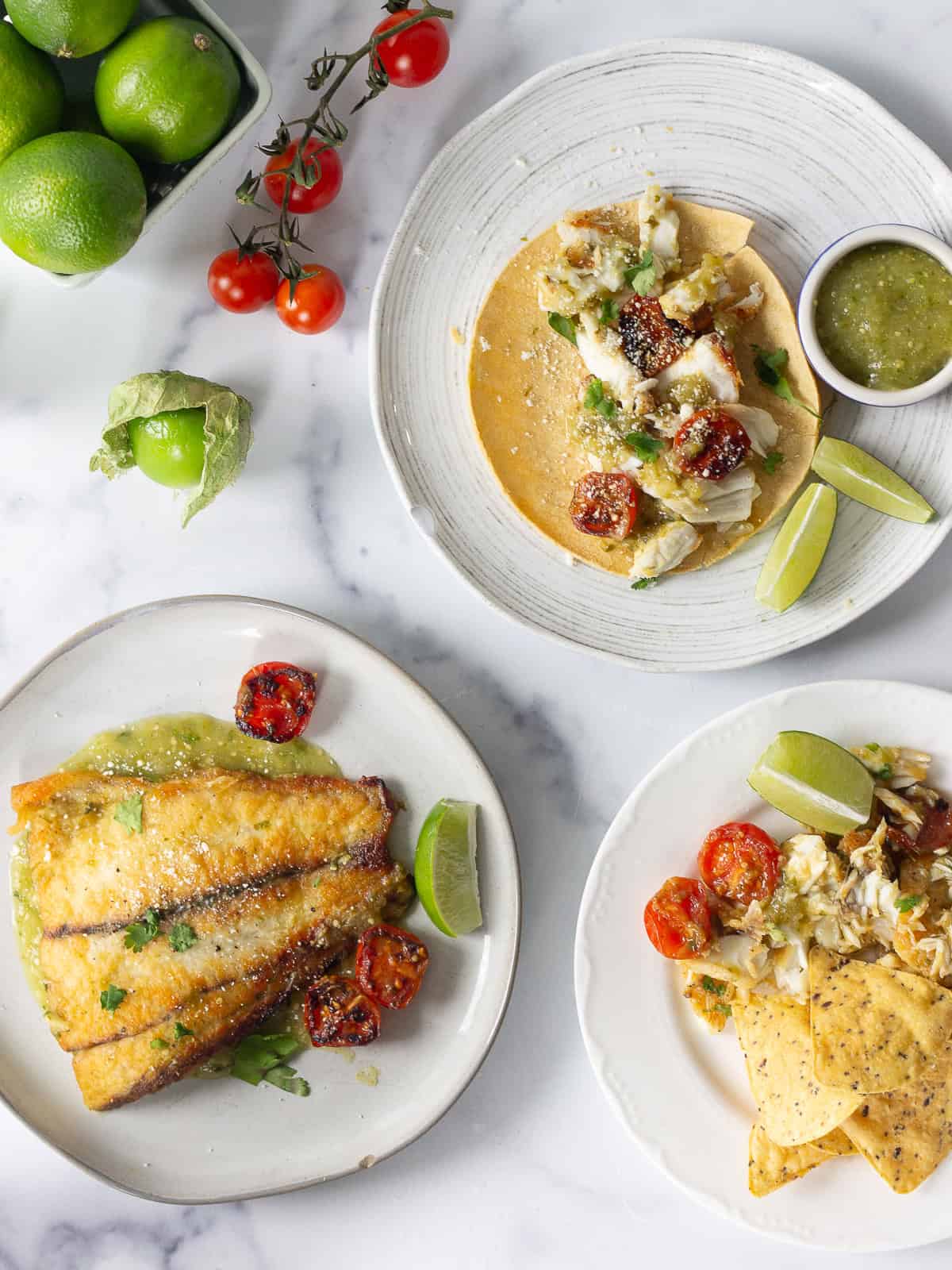
Low in heavily processed foods and big on plants, it is naturally loaded with antioxidants that stamp out free radicals (rogue, harmful molecules that also contribute to chronic inflammation). Antioxidants aren't miracle workers, but a diet rich in them builds a buffer and reduces the damage AGEs cause. And you don't have to eat Greek food — the Mediterranean approach is a framework, not a cuisine. A complete list of anti-inflammatory foods by food group is a good place to start building that framework.
Foods High in Omega-3s
Omega-3 fatty acids are the most direct dietary tool against inflammation. The National Academy of Sciences recommends a minimum of 1.1 grams daily for women and 1.6 grams for men. And you can get that easily by eating fatty fish a few times a week, and adding walnuts, flaxseed, or chia seeds to everyday meals. Good sources of fatty fish include salmon, mackerel, sardines, herring, and tuna (look for low-mercury brands). Aim for one Omega-3 source every day.
Antioxidants
Antioxidants are protective compounds that can only be consumed by eating plants - fruits, vegetables, and also whole grains and seeds. These plant compounds protect cells from the damage of free radicals (called oxidative stress). And they are just as important as omega-3s for an anti-inflammatory diet.
- Vitamins C and E are among the most well-studied and are found in citrus fruits, bell peppers, leafy greens, nuts, and seeds.
- Polyphenols, naturally occurring compounds in colorful plant foods, work the same way. Olive oil, dark chocolate, coffee, and tea are all rich sources.
One reason the Mediterranean diet is so healthy is that it delivers antioxidants at every turn.
A Healthy Gut
The bacteria living in your gut play a direct role in your general health and in regulating (or worsening) inflammation. A diverse microbiome keeps the immune system balanced. And a disrupted one can trigger disease.
- Fermented foods with live active cultures, like plain yogurt, kefir, kimchi, and sauerkraut, introduce beneficial bacteria.
- Prebiotic fiber found in asparagus, bananas, oats, garlic, onions, and legumes feeds the good bacteria and grows their numbers.
Eat cultured foods and lots of fruits and vegetables consistently, and your gut does a lot of the anti-inflammatory work for you.
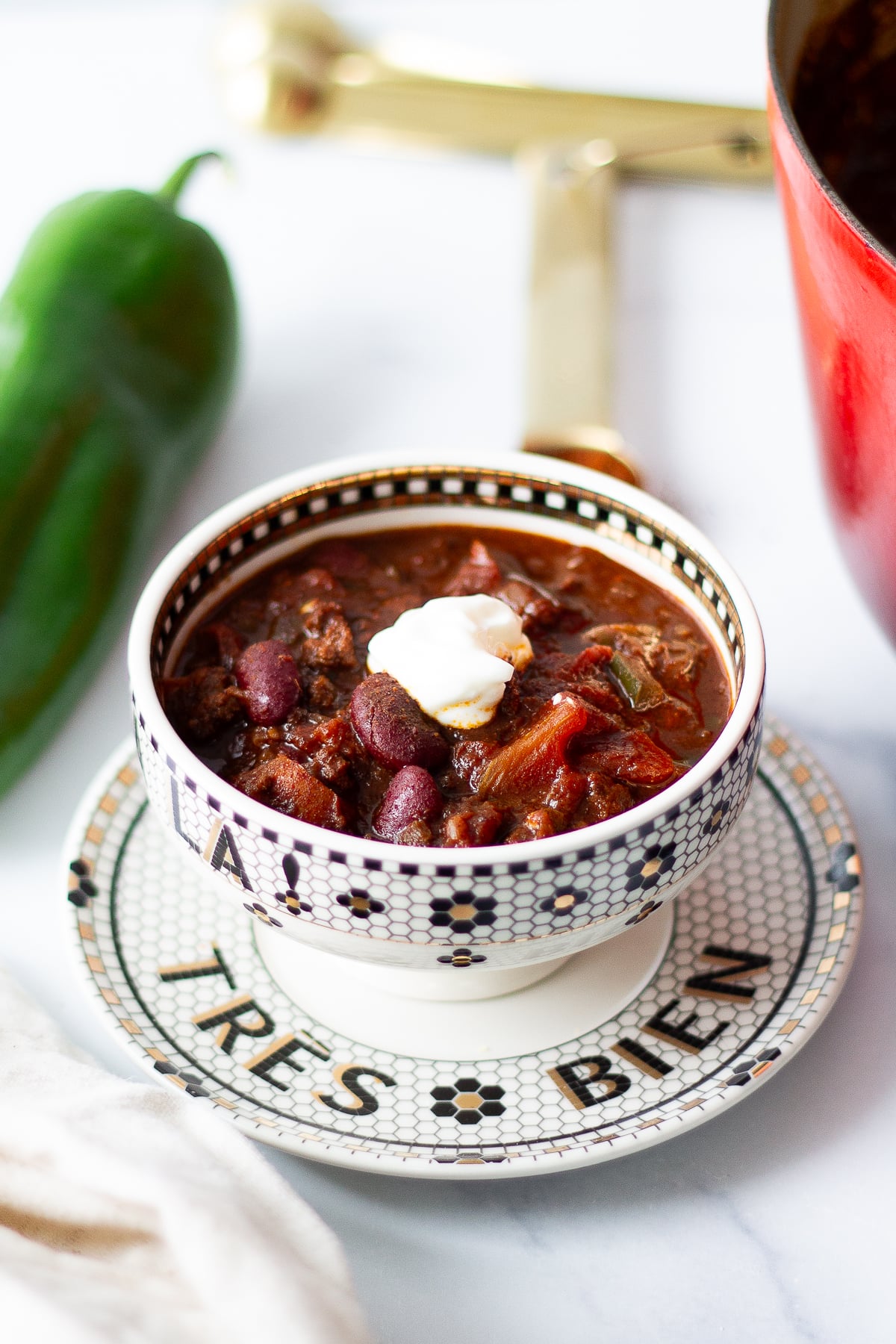
This is the overview. The deep dive is on Substack. It's where I go further on smart shopping, eating for health and enjoyment, and how I actually cook with culinary medicine principles in my own kitchen. The monthly recipe is free. And free from brand influence. To eat informed, subscribe here.
The Cooking Matters
- Choose moist heat. Steaming, braising, poaching, and stews all inhibit AGE formation. Water prevents temperatures from climbing high enough to trigger the browning reactions that produce them.
- Marinate proteins first. Submerge meat in an acid-based marinade with lemon juice, vinegar, or wine for at least an hour before cooking. This cuts AGE production by more than half.
- Less heat is more. Lower the temperature when you can. AGE production accelerates with heat. Grill low and slow or braise meats instead of high-heat roasting or grilling.
- Grill vegetables and fish freely. The AGE concern applies primarily to land animal proteins (beef, pork, chicken, lamb). Vegetables and low-fat fish produce far fewer AGEs at high heat.
- Choose oils wisely. Use extra-virgin olive oil, avocado oil, or canola oil regularly. Avoid excessive corn, soybean, safflower, and mystery vegetable oils. Fine and essential in smaller amounts, they can cause an imbalance with omega-3s when consumed too often.
- Garnish smart. Grilled wild salmon finished with a high-sugar teriyaki glaze loses most of its anti-inflammatory value before it hits the plate. Processed and packaged sauces and dressings hide inflammatory ingredients like soybean oil and preservatives. Sugar can be disguised by more than 50 names in retail products. Shop smart and read ingredient labels to avoid known suspects.
Anti-Inflammatory Foods List
The shift doesn't have to be drastic. Start by cooking more often with whole ingredients. This can even be pre-cut meat or fish and plain frozen vegetables. Swap your cooking oil. Add walnuts or ground flaxseed to your oatmeal or yogurt. Choose braised chicken over grilled. Small, consistent changes compound into real protection over time. This list of anti-inflammatory diet foods by food group is a great starting point for stocking your kitchen.
| Category | Best Choices |
|---|---|
| Fish & Seafood | Anchovies, arctic char, herring, mackerel, salmon, sardines, tuna |
| Vegetables | Spinach, kale, broccoli, beets, bell peppers, artichokes, asparagus, garlic, onion |
| Fruits | Apples, bananas, blueberries, citrus, cherries, kiwi, strawberries, peaches, |
| Whole Grains | Farro, quinoa, oats, brown rice, wild rice, barley |
| Legumes | Lentils, chickpeas, black beans, navy beans, edamame |
| Healthy Fats | Extra-virgin olive oil, avocado oil, avocado |
| Nuts & Seeds | Walnuts, almonds, flaxseed, chia seeds |
| Herbs & Spices | Turmeric, ginger, garlic, cinnamon, rosemary |
| Beverages | Green tea, herbal tea, black coffee |
| Treats | Dark chocolate 70%+ |
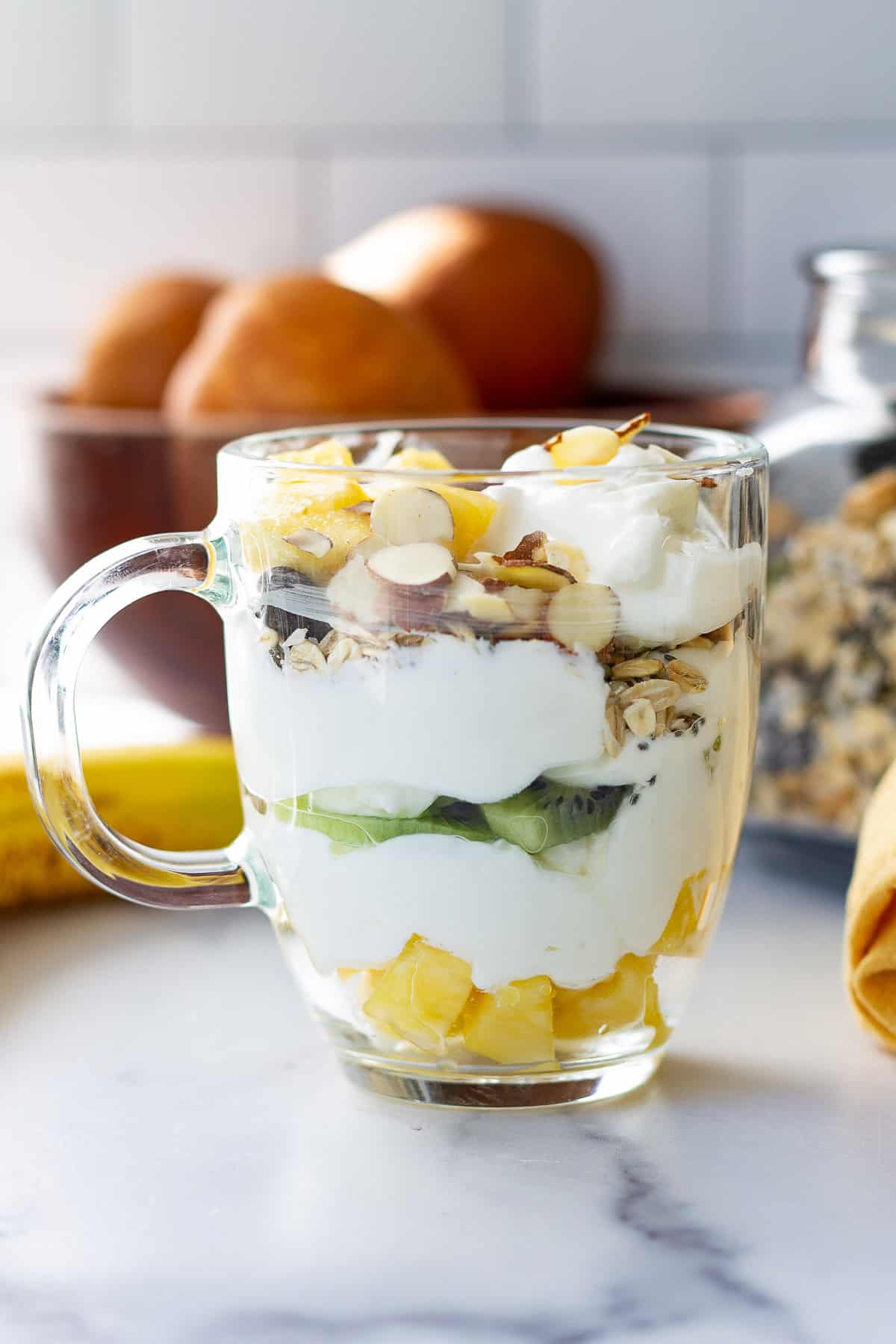
Seven-Day Meal Plan Download
A quick-start, flexible seven-day meal plan built around anti-inflammatory principles — plenty of fruits and vegetables, and whole grains like oats and quinoa. Designed to be used again and again, swap in what looks fresh at the market or is on sale as the seasons change. Complete with snacks, cooking tips, and recipe links.
Free, always. Updated occasionally.
Download the Free 7-Day Meal PlanMeal Plan Recipes
The recipes below are in the archive here at Edible Times and on Chef Christina's Substack (subscription not required). They are also linked in the meal plan download.
Breakfast
- Overnight Açaí Oats & Tropical Yogurt Parfait
- Fluffy Scrambled Eggs
- Whole Grain Pancakes (use plant-based milk, seasonal fruit, and just a touch of maple syrup, if you like)
Lunch & Dinner
- Crispy Barramundi (or white fish) with Warm Salsa Verde
- Crispy Pork, Cabbage & Peanut Stir-Fry
- Turkey & Kidney Bean Chili
- How to Cook Sockeye Salmon
- Sautéed Spinach
- Asparagus, Five Ways
Snacks
Frequently Asked Questions
Not necessarily. Removing gluten and dairy is a popular claim on social media, but the research doesn't support it as a blanket recommendation. For people without celiac disease or a diagnosed dairy intolerance or allergy, neither is inherently inflammatory. The real culprits are what typically come with them — refined flour, added sugar, and an imbalance of omega-3 and omega-6 fats. A bowl of farro and a glass of plain kefir with live cultures are both anti-inflammatory foods. The problem is the processing, not the ingredient.
Some markers of inflammation can begin to shift within two to four weeks of consistent dietary changes. Meaningful improvements in how you feel, including energy, joint comfort, and digestion, typically take six to twelve weeks. But many people report having more energy and feeling better within the first couple of weeks. The keyword is consistency. A few good meals don't move the needle, but a sustained pattern does.
No. The Mediterranean diet is the evidence-based framework, not a rigid prescription. You don't need to eat specific food or follow a specific meal plan. The underlying principles — more plants, quality fats, fatty fish, whole grains, less processed food — can be applied to any cuisine or flavor preference. The specific foods are interchangeable. Adhering to this style of eating 80% of the time is shown to benefit health.
For educational purposes only. Consult your healthcare provider before making significant dietary changes. Written by Christina Bailey, a certified culinary medicine professional by the American College of Culinary Medicine.

Eat Informed
The Edible Times Newsletter on Substack, written by Chef Christina, covers the nutrition science behind ingredients and recipes like this every month. Complete with a new nutrient-dense, approachable recipe.
Totally Free. No ads. No brand influence.
Knowing what to eat is one thing. Building a kitchen and a weekly routine around it is another. Nutrition counseling at Edible Times is designed to close that gap, with guidance from a CIA-trained chef with a culinary medicine credential. Learn more.

Sources
Uribarri J, Woodruff S, Goodman S, et al. Advanced glycation end products in foods and a practical guide to their reduction in the diet. Journal of the American Dietetic Association. 2010;110(6):911-16. Read the study →
Semba R, et al. Does accumulation of advanced glycation end products contribute to the aging phenotype? Journal of Gerontology: Medical Sciences. 2010;65A(9):963-975. Read the study →
Cotran R, Robbins S. Pathologic Basis of Disease. 8th ed. Philadelphia: Saunders Elsevier; 2010.
Centers for Disease Control and Prevention. Leading causes of death. National Center for Health Statistics. View data →
Kadyan S, Sharma A, Arjmandi BH, Singh P, Nagpal R. Prebiotic potential of dietary beans and pulses and their resistant starch for aging-associated gut and metabolic health. Nutrients. 2022;14(9):1726. Read the study →
Comments
No Comments