

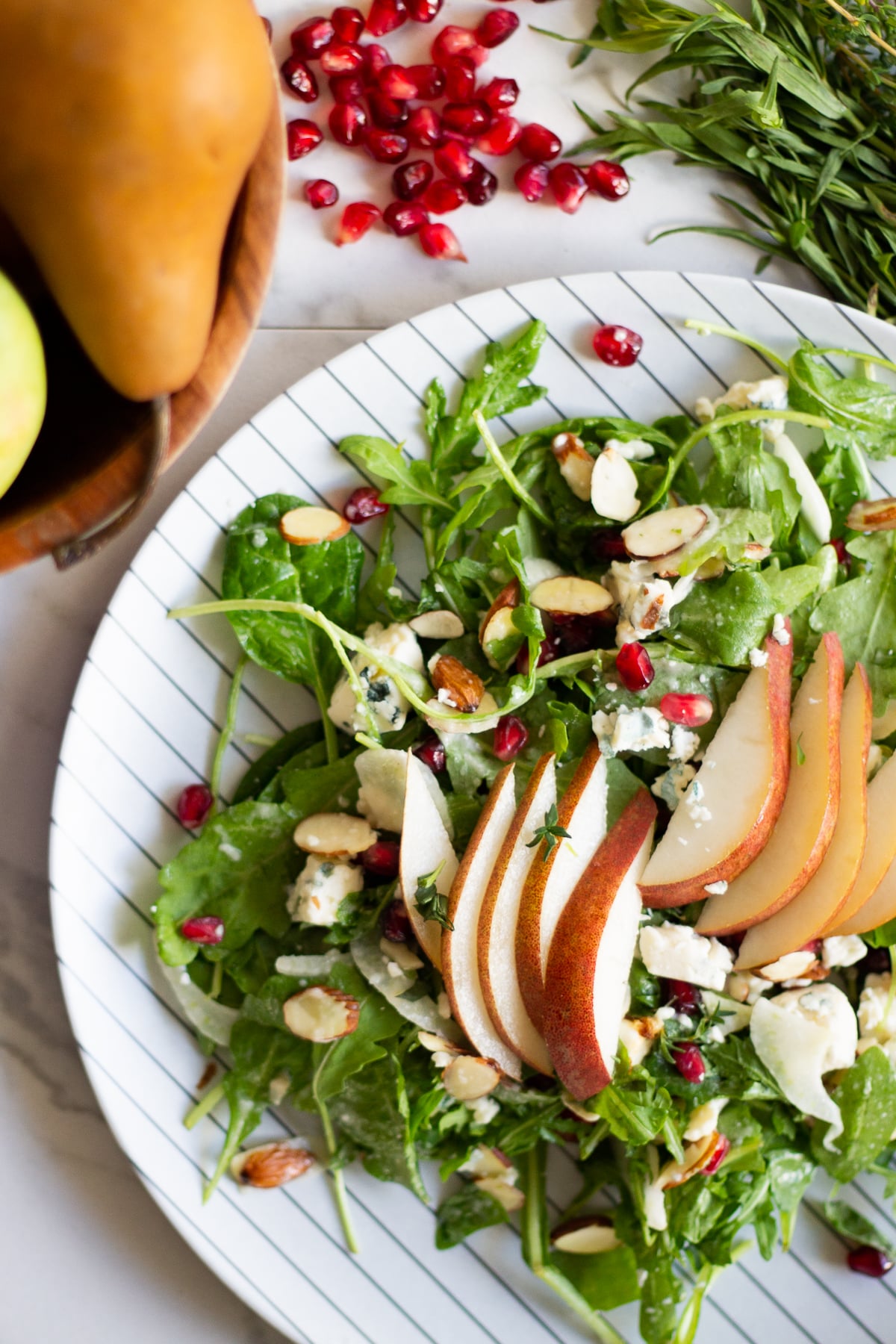
A list of anti-inflammatory diet foods and ingredients to help you create a meal plan that fits your lifestyle. And, most importantly, meals that you enjoy eating. Enjoying a rainbow of fruits and vegetables every day is the easiest way to hedge against chronic inflammation.
Jump to:
On Chronic Inflammation
Every meal you eat either feeds chronic inflammation or helps put out the fire. An anti-inflammatory diet, based on the Mediterranean diet, is built around foods that directly engage the biological pathways implicated in chronic disease. It helps break the vicious cycle that is implicated in heart disease, type 2 diabetes, arthritis, and Alzheimer's, among others. While researchers haven't identified a single smoking gun behind every major chronic disease, chronic inflammation appears to be a common accomplice.
While plenty of factors can lead to it, such as stress, smoking, and lack of exercise, diet is the most powerful way to subdue and reverse inflammation. The best scientific studies to date confirm that eating too many omega-6 fats from processed oils, red and processed meats, and refined sugars and flours leads to chronic inflammation and its partner diseases.
New to the anti-inflammatory diet? This complete guide covers what chronic inflammation is, what causes it, and how food fights it, and is a great place to start. If you are ready to dig right in, use this free, flexible 21-Day anti-inflammatory diet meal plan to create new habits and improve your health.
The Complete Anti-Inflammatory Foods List
The research is convincing: certain foods and eating patterns can actively fight and, in some cases, even reverse chronic inflammation. They are fatty fish, olive oil, lean meats, fruits, vegetables, legumes (beans and the like), and whole grains. Not the supplements, "superfoods", and extreme "cleansing" diets that social media hucksters sell.
The foods on this list are accessible and easy to build a delicious week of eating around. And many might already be in your kitchen. No single food changes everything. But a consistent pattern built around healthy fats, juicy fish, and a variety of vegetables, fruits, and whole grains can make a meaningful difference over time.
The Cheat Sheet
A quick reference guide without all the scrolling. Every food category is covered in detail below.
- Fish & Seafood: salmon, mackerel, sardines, herring, anchovies, arctic char, tuna, shrimp, and shellfish
- Vegetables: broccoli, cauliflower, Brussels sprouts, kale, arugula, bok choy, cabbage, spinach, Swiss chard, collard greens, salad greens, garlic, onions, leeks, shallots, tomatoes, bell peppers, sweet potatoes, beets, celery, mushrooms
- Fruits & Berries: blueberries, strawberries, raspberries, blackberries, tart cherries, avocado, pomegranate, pineapple, oranges, kiwi, and bananas
- Legumes: lentils, black beans, kidney beans, navy or white beans, chickpeas, edamame
- Whole Grains: oats, quinoa, farro, buckwheat, brown rice, barley, wild rice
- Healthy Fats & Oils: extra-virgin and refined pure olive oil, avocado oil, sesame oil, walnuts (and their oil), almonds, flaxseed, chia seeds, hemp seeds, pumpkin seeds
- Herbs & Spices: turmeric, black pepper, ginger, cinnamon, cayenne, rosemary, oregano, thyme
- Fermented Foods: kefir, yogurt, sauerkraut, kimchi, miso, tempeh, kombucha
- Beverages: teas, (a little) unsweetened coffee, and matcha
Dark chocolate (70% or more cacao) is loaded with antioxidants and a great way to indulge a sweet tooth without lots of added sugar.
Vegetables
Vegetables are the foundation of an anti-inflammatory plate, not for any single nutrient, but for their sheer variety of antioxidants (inflammation police). Aim to eat a range of colors each week. Each plant pigment offers different phytochemicals and works through a different pathway, so diversity matters as much as quantity. If you've heard of "eat the rainbow," this is it. Choose fresh or frozen at the market; whatever works for your budget and lifestyle.
Cruciferous & Leafy Green Vegetables
Cruciferous vegetables and dark leafy greens contain incredibly beneficial phytochemicals (plant compounds) such as sulforaphane and glucosinolates. Light cooking preserves their nutrients best while also allowing for optimum absorption. However, if you are new to the fibrous family, cook broccoli and its brethren well at first to dampen negative digestive effects. Aim for one to two servings a day.
- Broccoli
- Cauliflower
- Brussels sprouts
- All cabbages: green, red, Napa, Savoy, bok choy, kholrabi
- Kale
- Spinach
- Arugula
- Swiss chard
- Collard greens
- Beet, carrot, and radish greens
- All salad greens
Braise, or cook low and slow, tougher leafy greens like Swiss chard and collard greens in olive oil with garlic and onions. To serve, drizzle the finished greens with the pot licker (the cooking juices in the pan). Roasting or air-frying florets and sprouts at 375°F with olive oil, herbs, and spices brings out sweetness through caramelization. Sauté leafy greens, shredded cabbage, and even shredded Brussels sprouts in olive, avocado, or sesame oil to preserve their nutrients.
Alliums
Alliums, or vegetables in the onion family, are a healthy, affordable ingredient that adds savory flavor to recipes. If you enjoy red onions, they are worth choosing over white onions whenever possible. The red variety contains significantly more quercetin, a powerful antioxidant.
- Garlic
- Onions (all varieties)
- Leeks
- Shallots
- Scallions (green onions)
Garlic and onions are always a good idea; add them where you see fit.
Note on garlic. Crush or mince garlic cloves to release the enzyme that produces the active, supercharged sulfur compound allicin. Let it rest for 10 minutes before cooking.
Other Standout Vegetables
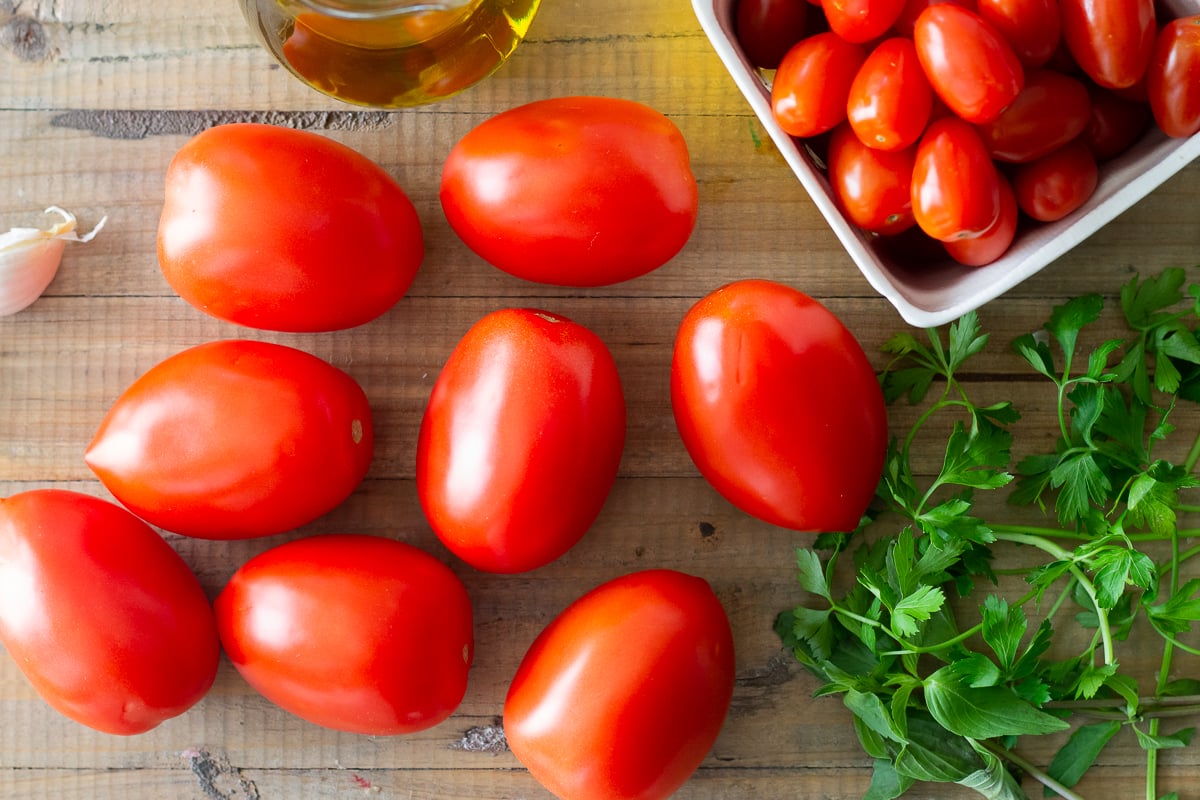
Tomatoes cooked in olive oil are delicious, thanks to natural umami, and offer Vitamin C and lycopene for heart health and immune support. Cooking helps your body absorb lycopene and Vitamin A, and they are fat-soluble, so use a healthy oil. Canned tomatoes and tomato paste are great staples to keep on hand.
Mushrooms contain beta-glucans, a soluble fiber that supports a healthy gut. Sweet potatoes offer beta-carotene, vitamin C, and manganese. Beets provide betalains, pigments that reduce oxidative stress markers. Bell peppers are full of antioxidants from their bright colors and great in stir-frys or stuffed and roasted.
- Tomatoes
- Mushrooms (shiitake, reishi)
- Sweet potatoes
- Beets
- Bell peppers (red, orange, and yellow)
Aim for a few servings a week of any of the above.
This guide just scratches the surface. The deep dive is on Substack. It's where I share recipes and go further on smart shopping, eating for health and enjoyment, and how I cook nutrient-dense meals with culinary medicine principles in my own kitchen. The monthly recipe is free. And free from brand influence. To eat informed, subscribe here.
Fruit & Berries
Berries are among the most reliably anti-inflammatory foods you can eat. Their deep colors - blue, red, purple - come from anthocyanins, a class of antioxidant plant compounds. Frozen berries retain 85 to 95 percent of their polyphenol content and cost a fraction of fresh, making them one of the easiest daily additions to any diet. Blend up smoothies for breakfast or bake oat and berry muffins for a satisfying snack.
- Berries: blueberries, strawberries, raspberries, blackberries
- Tart cherries (not cocktail ones soaked in syrup)
- Peaches, plums, pears, apricots, nectarines (all great for gut health)
- Avocado
- Pomegranate
- Pineapple
- Citrus
- Kiwi
- All dried, unsweetened fruits
Avocado pulls double duty as both a fruit and a fat; its natural oils work against inflammation the same way extra-virgin olive oil does. Pineapple is delicious when in season and worth eating down to the core. Most people throw it away, but that's where most of the vitamins live. Blend it into smoothies or use it as a meat marinade (just don't leave the meat in too long, or it will turn the flesh mushy). Bananas are an affordable, versatile fruit with plenty of potassium to support kidney and vascular health.
Eat fruits as a snack, mix them into oatmeal and yogurt, and soak dried fruit to sweeten baked goods instead of refined sugar.
Fish & Seafood
Fatty fish and seafood rich in omega-3s are the most direct dietary tool against inflammation, and two to three servings a week is the proven target. What you season the fish with matters as much as how you cook it: most bottled glazes and packaged marinades contain soybean oil and added sugar. Olive oil, lemon, and fresh herbs are all you need. For delicious stir-fry sauces without added junk, make your own.
- Wild-caught salmon
- Anchovies
- Sardines (in water)
- Arctic char
- Herring
- Tuna (mercury-tested brand if possible)

A note on seafood. Shellfish such as shrimp, clams, and mussels are also healthful additions to any diet; they just don't contain nearly as much DHA and AHA (omega-3 fats) as salmon, char, and sardines. For a pescatarian diet, rotate fatty fish with leaner shellfish and white fish.
Legumes
Legumes are chronically underrated in the anti-inflammatory conversation. They deliver soluble fiber, slow glucose absorption, and feed the gut bacteria that keep inflammation in check. Black beans are worth singling out for their anthocyanins, the same compounds in berries. Lentils are the most practical entry point: fast-cooking, inexpensive, and a natural match for turmeric and ginger. Beans and pulses are also incredibly affordable. And when eaten the same day as rice, they make a complete protein.
- Lentils
- Beans: black, red, kidney, navy, white, etc.
- Chickpeas
- Edamame (soybeans)
Aim to eat two cups a week.
Whole Grains
Refined grains spike blood sugar quickly, which drives the production of Advanced Glycation End Products (AGEs) and elevates insulin. Both of which directly stimulate the production of inflammatory cytokines. Whole grains do the opposite: they slow glucose absorption and deliver fiber, antioxidants, and minerals alongside complex carbohydrates.
The swap from refined to whole grains is one of the easiest, most impactful changes you can make. Simply choose the whole-grain version of what you're already eating.
- Oats (rolled or steel-cut)
- Quinoa
- Farro
- Buckwheat
- Brown rice
- Barley
- Wild rice
- Whole or sprouted wheat bread, bagels, or English muffins (watch for excessive fillers and skip any with potassium bromate)
- Wheatberries (cook like rice or oatmeal)
Healthy Fats & Oils
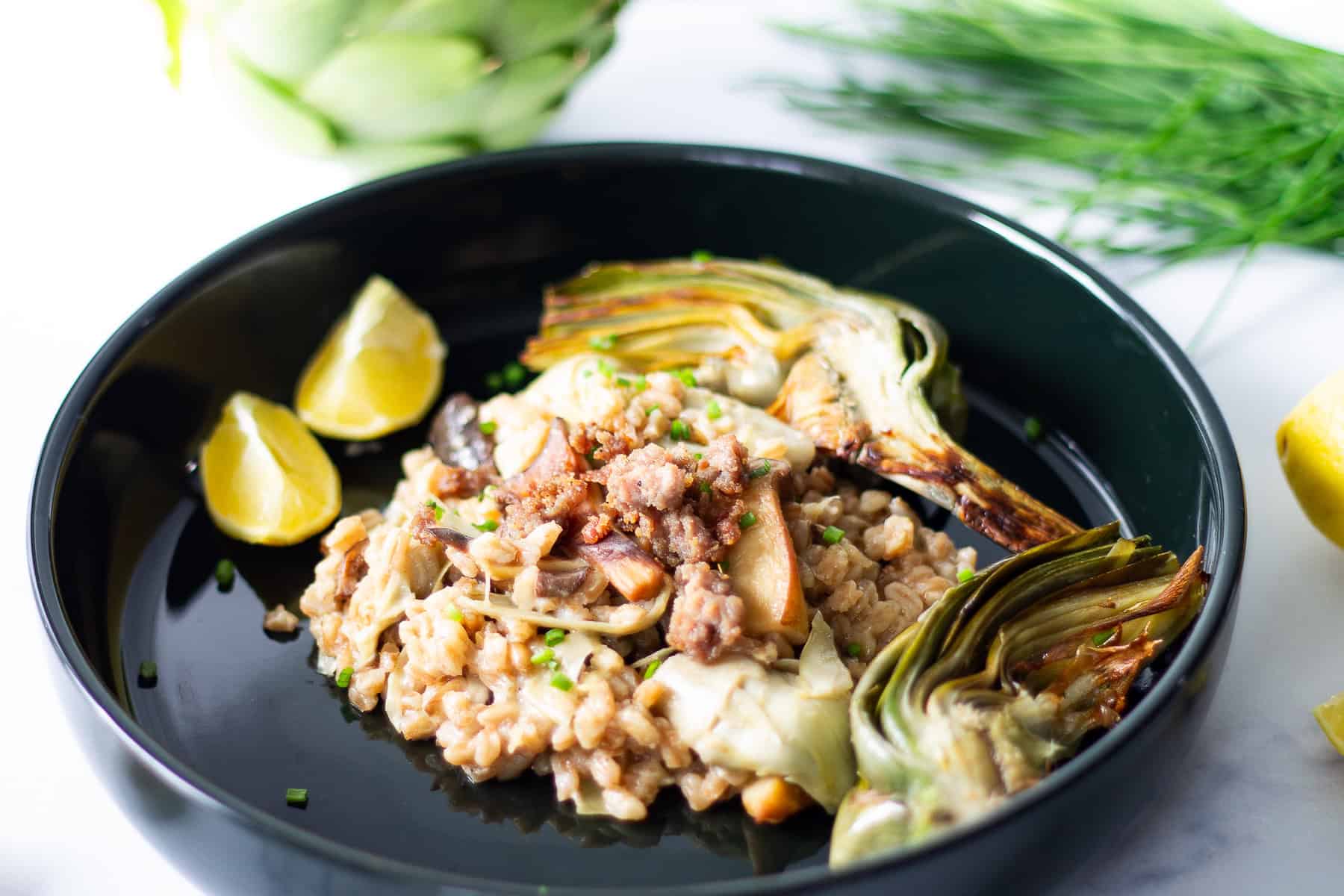
Fat quality is what matters, not necessarily quantity (within reason). Olive oil is the most important cooking fat in an anti-inflammatory kitchen. Use it as your primary oil for cooking and as a finishing oil on vegetables, fish, soups, and grains. For garnishing and uncooked dressings, extra-virgin, cold-pressed olive oil is the least refined and most nutrient-dense.
- Olive oil (pure refined or cold-pressed)
- Avocados and avocado oil
- Canola oil
- Sesame oil
- Walnut oil
Nuts & Seeds
Walnuts are the most anti-inflammatory nut by a significant margin. They contain more ALA omega-3s than any other nut, plus ellagic acid, an antioxidant with its own anti-inflammatory activity. Eat them raw; roasting in oil degrades the omega-3 content.
- Walnuts
- Almonds
- Pecans
- Cashews
- Brazil nuts
- Flaxseed (ground, not whole)
- Chia seeds
- Hemp seeds
- Pumpkin seeds
- Peanuts
- Nut butter (without added sugar, excess salt, or oil)
Aim for a handful of whole nuts or a decent helping of nut butter every day.
Herbs & Spices
Fresh herbs and spices make meals flavorful and satisfying, and certain ones can boost the antioxidant profile of any plate.
- Turmeric
- Ginger
- Paprika & Smoked paprika (pimentón)
- Cinnamon
- Black pepper
- Cayenne (red pepper)
- Ginger
- Rosemary
- Italian Seasoning (without added fillers)
- Oregano, thyme & sage
- Unsweetened cocoa or dark chocolate (70%+)
A note on turmeric. One pairing worth knowing: turmeric and black pepper. The beneficial substance in turmeric, curcumin, is not absorbed by the body easily. But when cooked with black pepper, it becomes more bioavailable. You might say the two have good chemistry.
Fermented Foods
The bacteria in your gut play a direct role in regulating inflammation. A healthy, diverse microbiome keeps the immune system calibrated. A disrupted one can keep it overactivated. Daily consistency is key. A small serving every day is more effective than a large amount occasionally. A little kefir or plain yogurt with berries in the morning is an easy way to get natural probiotics in your diet.
- Kefir
- Plain, unsweetened yogurt (live cultures)
- Sauerkraut
- Kimchi
- Miso paste (stir into warm water, not boiling)
- Kombucha (lower-sugar bottles)
Shopping note. Sauerkraut and kimchi that are worth eating - ones with live cultures - should be in the refrigerated section. Shelf-stable pasteurized versions do not contain live cultures.
What to Limit
Limit - not avoid. Anti-inflammatory eating is not about total restriction; it's about replacing inflammatory foods with anti-inflammatory ones most of the time. These are the culprits most linked to elevated inflammatory markers across clinical research.
- Refined carbohydrates. White bread, white pasta, pastries, and packaged cereals spike blood sugar rapidly and drive AGE production. Whole-grain versions of the same foods behave very differently. Legume and bean-based pasta is a great swap for traditional pasta. And also a great gluten-free choice for those with celiac disease and gluten intolerance. Skip French fries and opt for roasted, skin-on potatoes. Most of the fiber in a potato is in the skin.
- Added sugars and sugary drinks. Blood sugar spikes from sugar directly activate inflammatory pathways within hours. Water, coffee, and tea are the best choices. For carbonated drinks, choose sparkling water without added sugar.
- Industrial seed oils in excess. Corn, soybean, and safflower oils aren't harmful in small amounts, but they dominate packaged food and push the omega-6-to-omega-3 ratio badly out of balance.
- Red and processed meats. High-heat cooking of red meat produces significant AGEs; processed meats add nitrates. Treat both as foods rarely eaten or for special occasions.
- Highly processed packaged foods and snacks. Emulsifiers, preservatives, and refined sugars, oh my. Ultra-processed foods disrupt gut bacteria and sustain low-grade inflammation in ways researchers are still mapping. If you wouldn't find an ingredient on the list in a home kitchen, skip it.
- Alcohol. More than 1 or 2 drinks per day increases intestinal permeability, allowing inflammatory compounds from gut bacteria to enter the bloodstream. Alcohol is a toxin; always enjoy it in moderation, one to three drinks a week at the most and always with food.
Frequently Asked Questions
Not necessarily, and the research doesn't support blanket elimination for people without celiac disease or a diagnosed intolerance. The real drivers of dietary inflammation are refined flour, added sugar, and an imbalance of omega-6 and omega-3 fats. Not gluten or dairy themselves. The problem usually comes with what they bring to a Western diet, not the ingredients themselves.
Omega-3 fatty acids from fatty fish have the broadest and deepest evidence of any food compound for reducing systemic inflammation. Extra-virgin olive oil — specifically its oleocanthal content — has strong evidence from both laboratory and large clinical trials. Fermented foods are a significant emerging research area, with the 2021 Stanford gut microbiome study among the most striking findings in gut health science. Curcumin from turmeric (pair with black pepper for best absorption), comes in a close second. Sauté turmeric in a little oil during cooking to bring out its flavors and pair it with black pepper to improve absorption.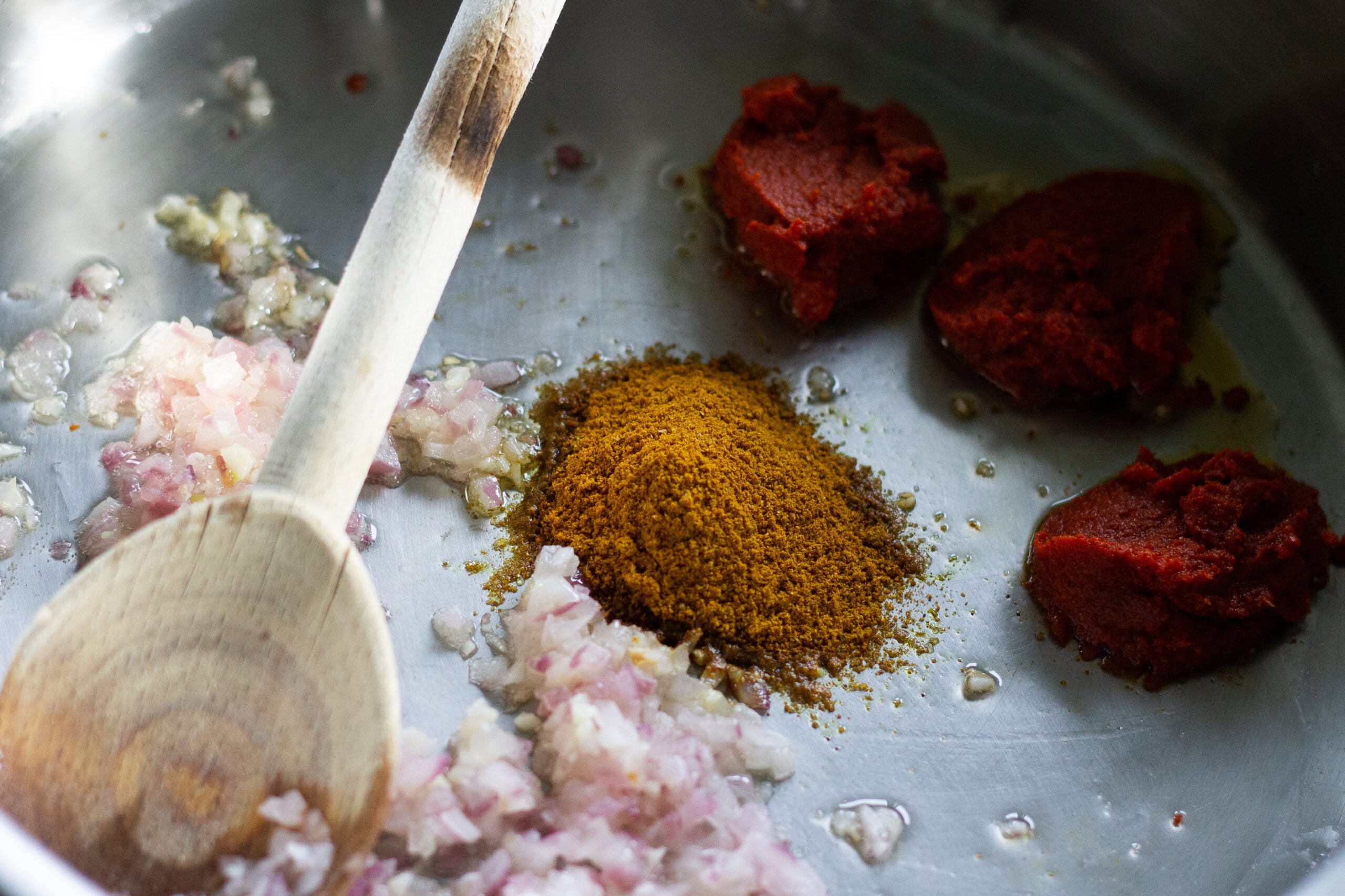
Some markers of inflammation can begin to shift within two to four weeks of consistent changes. Meaningful improvements in how you feel — energy, joint comfort, digestion — typically take six to twelve weeks. The keyword is consistency. A few good meals don't move the needle. A sustained pattern does.
No. The benefit comes from the pattern, not from a perfect diet void of pleasure. Start with the changes that are easiest to make consistently: switching your cooking oil, adding seeds and nuts to oatmeal and yogurt, and eating canned sardines or tuna once a week. Keeping frozen berries on hand for smoothies and snacks. Small, consistent additions compound into real protection over time. Eat the fruits, vegetables, and fish you enjoy the most.
For educational purposes only. Consult your healthcare provider before making significant dietary changes. Written by Christina Bailey, CCMP, a certified culinary medicine professional by the American College of Culinary Medicine.

Eat Informed
A healthy, healing diet goes deeper than any food list. The Edible Times Newsletter covers culinary medicine from all angles, food system literacy, and Chef Christina sends a monthly recipe built around these principles. Written by a trained chef certified in culinary medicine.
Totally Free. No ads. No brand deals. No sponsored content.
Knowing what to eat is one thing. Building a kitchen and a weekly routine around it is another. Nutrition counseling at Edible Times is designed to close that gap, with guidance from a CIA-trained chef with a culinary medicine credential. Learn more.

Sources
Wastyk HC, et al. Gut-microbiota-targeted diets modulate human immune status. Cell. 2021.
Estruch R, et al. Primary prevention of cardiovascular disease with a Mediterranean diet (PREDIMED). NEJM. 2018.
Uribarri J, et al. Advanced glycation end products in foods and a practical guide to their reduction in the diet. Journal of the American Dietetic Association. 2010.
Hewlings SJ, Kalman DS. Curcumin: A review of its effects on human health. Foods. 2017.
Abdelhamid AS, et al. Omega-3 fatty acids for primary and secondary prevention of cardiovascular disease. Cochrane Database. 2020.
Simopoulos AP. The importance of the omega-6/omega-3 fatty acid ratio in cardiovascular disease. Experimental Biology and Medicine. 2008.
Comments
No Comments