

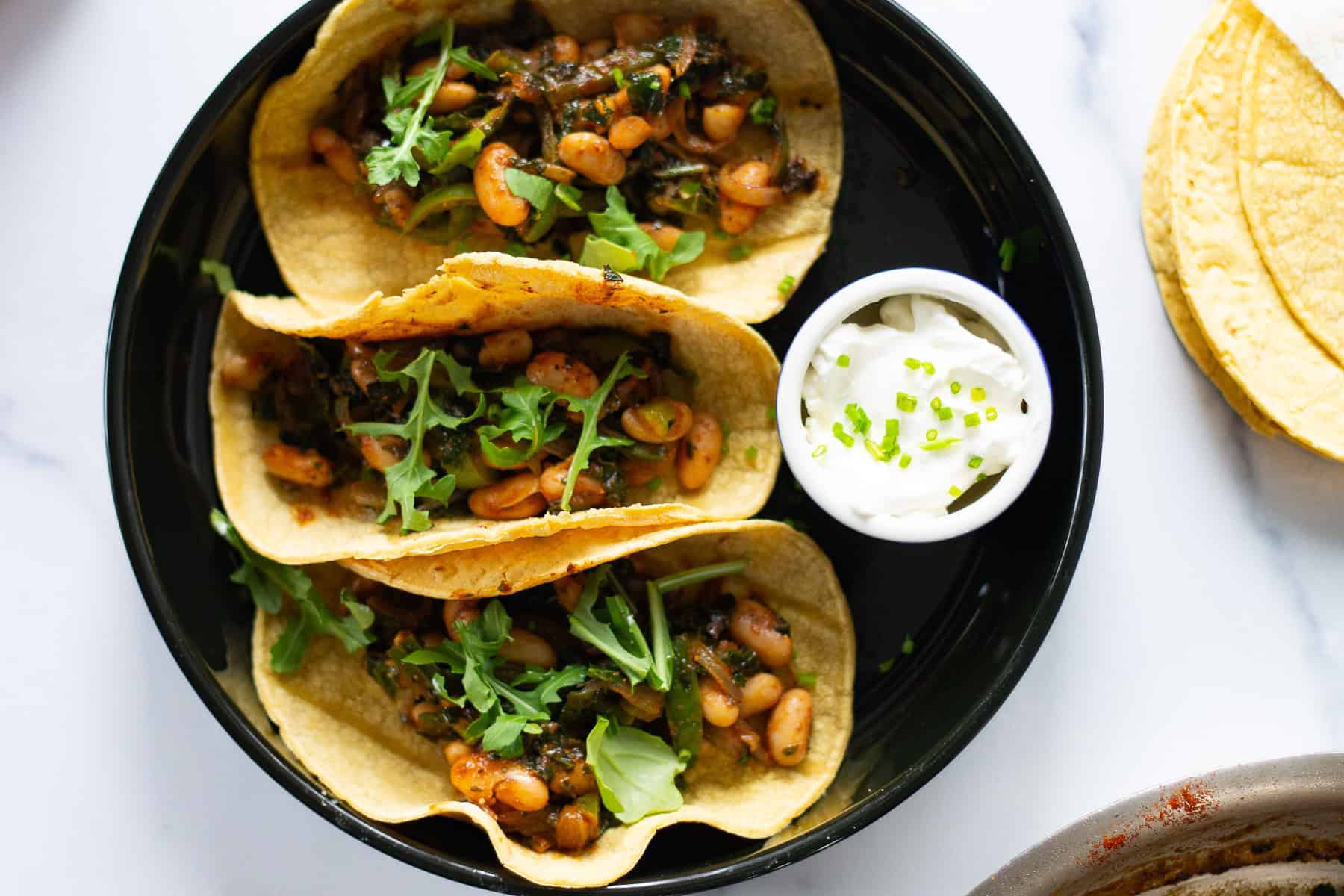
This 21-day anti-inflammatory diet meal plan is about small changes, not an overwhelming overhaul. Elimination and deprivation don't work. With a week-by-week focus, it meets you where you're at. Simple ingredient swaps and enjoyable meals are the key to creating sustainable change and improving your nutrition. Bookmark this page for quick reference, or print the free PDF version.
New to the anti-inflammatory diet? This complete guide covers what chronic inflammation is, what causes it, and how food fights it. It also includes a simpler, 7-day meal plan download. Bookmark this detailed list of anti-inflammatory foods and ingredients to help you snack smart and brainstorm delicious meals.
Why 21 Days
Surely twenty-one days isn't magical, but it is a useful window for two reasons. First, research on the anti-inflammatory diet consistently shows that improvements in inflammatory markers can occur within two to four weeks of significant dietary changes.
Second, three weeks is long enough to create new habits and find a few delicious, go-to meals: a quick breakfast, a simple stir-fry you start to crave, and improved snack habits. Developed using the best evidence-based nutrition research, nothing is off limits. Life happens; it's about moving the needle one meal at a time.
Quick-Reference Cheat Sheet
- Fill at least half your plate with vegetables. Better yet, two-thirds.
- Eat a small portion of protein at every meal (three to four ounces of meat or fish, or about a third cup of beans, lentils, fermented soy, etc.).
- Choose legumes several times a week.
- Favor olive oil over butter most days.
- Eat fish two or more times a week.
- Include a little yogurt, kefir, or cultured sour cream, if you tolerate it.
- Drink mostly water.
- Enjoy fruit and dark chocolate for dessert.
- Ditch sugary drinks once and for all.
The First Five Changes
The first week has one job: establish the non-negotiables. These are the changes that have the most direct impact on inflammatory markers and the lowest barrier to entry. And they are mostly about smart swaps at the grocery store. Set yourself up for success and check this list off before you begin.
#1: Switch Your Cooking Oil
Use olive, canola, avocado, or nut oils. This can drastically reduce your omega-6 intake and increase your omega-3 intake. Olive oil specifically contains oleocanthal, a phenolic compound that research suggests inhibits inflammatory pathways. Buy cold-pressed, dark-bottled extra-virgin olive oil for dressings and garnishing. Use regular for high-heat cooking like sautéing and roasting.
#2: Add an Omega-3 Source Every Day
Fatty fish twice a week, nuts and seeds every day. Think sockeye salmon, sardines on a salad, and grilled Arctic char. Enjoy walnuts as a snack, and add ground flaxseed and chia seeds to oats, smoothies, and yogurt. Leave your favorite nuts out on the counter and ground flax front and center in the fridge as a visual reminder. It takes 10 seconds to garnish yogurt and even fewer to grab a handful of nuts.
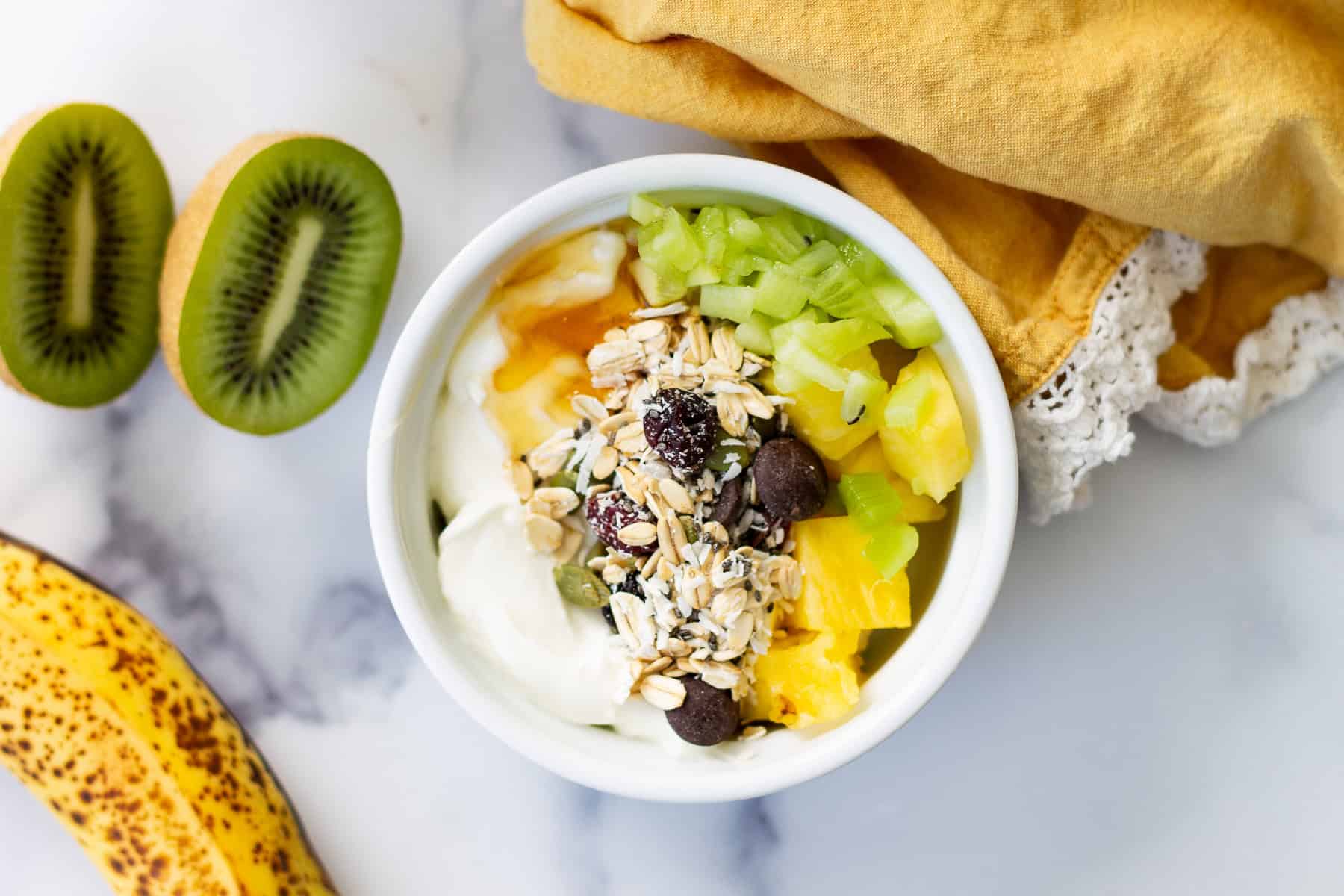
#3: Eat a Fermented Food Daily
Plain yogurt with live cultures, kefir, kimchi, fresh (not shelf-stable) sauerkraut, or miso stirred into soup. Any of these, any amount, every day. A 2021 Stanford study found that consistent consumption of fermented foods significantly reduced inflammatory proteins over ten weeks. A daily dose, even a small one, is what builds that protection.
#4: Pile on the Vegetables
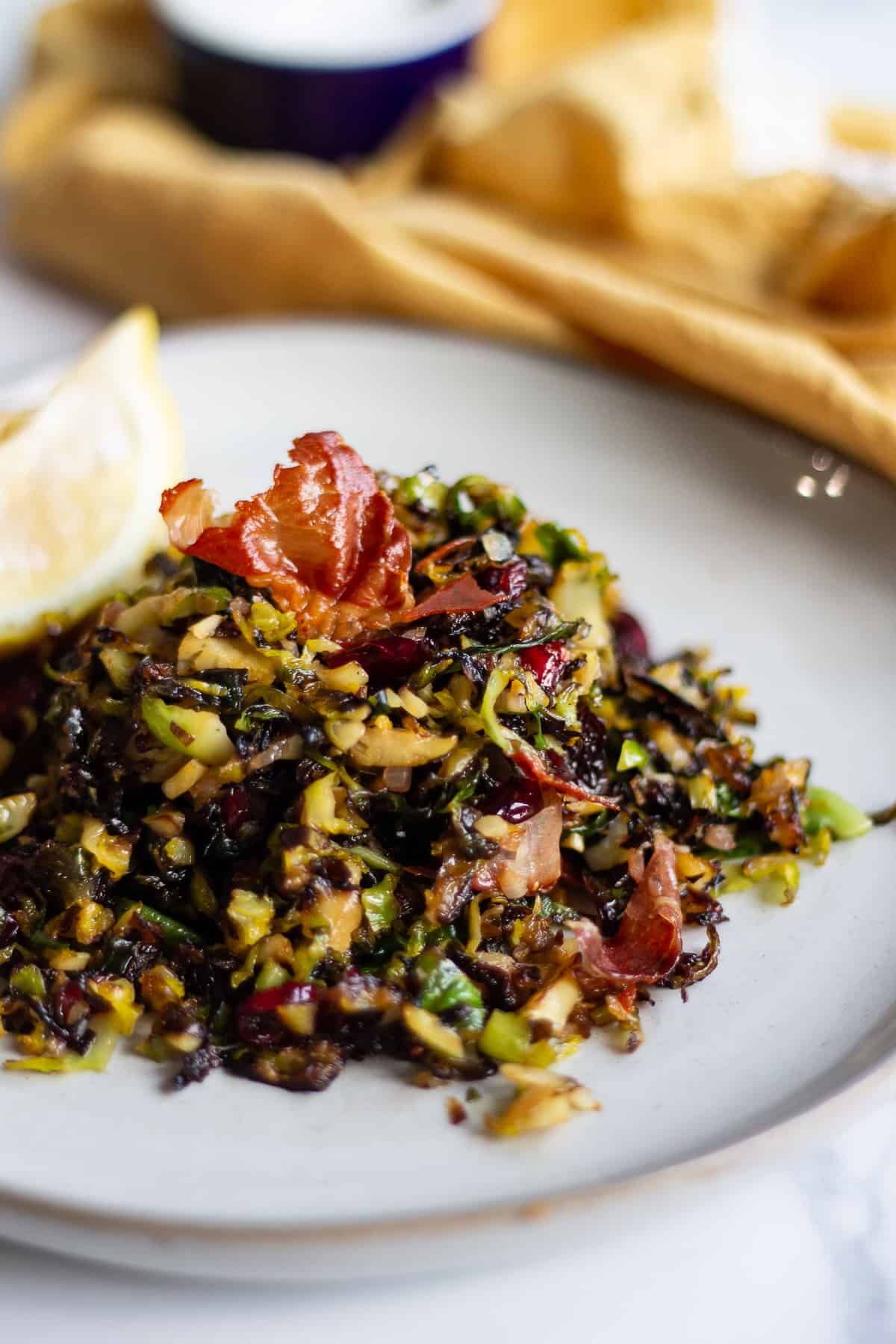
This doesn't require elaborate cooking. Spinach in a smoothie. Sliced avocado with eggs and whole-grain toast. Steam-in-the-bag broccoli. The goal is to stop treating vegetables as an afterthought and to make them the first stop of every meal. No need to become a vegan. Start with at least half of your plate filled with vegetables, and build up slowly to two-thirds.
#5: Ditch Sugary Drinks
Sugar-sweetened beverages spike blood glucose rapidly, driving advanced glycation end product formation and inflammatory cytokine release (science jargon for long-term cell damage). Replace soda and juice with water, sparkling water, black coffee, or green tea. Green tea contains polyphenols, the most studied anti-inflammatory compounds in beverages. This swap costs nothing and removes one of the most consistent drivers of diet-related diseases such as obesity and type 2 diabetes.
Crave carbonation? Switch to sparkling water brands such as Polar, La Croix, or Bubly (not an endorsement, just examples). Many stores sell generic equivalents that are less expensive.
Quick-Start Cooking Tips
You don't need to cook elaborate meals. Canned salmon and tuna, plain Greek yogurt, frozen berries, and bagged spinach are all quick, easy, nutrient-dense foods. The quality of what you eat matters. The complexity of how you prepare it does not. Steamed-in-a-bag vegetables with simple air-fried salmon take less than 20 minutes and minimal effort.
Shop the freezer section. Frozen berries retain 85 to 95 percent of their polyphenol content. Similarly, frozen vegetables hold onto more nutrients than fresh produce that sat on trucks for weeks. Buy fresh when it's convenient and affordable. Use frozen freely.
Cooking methods matter. High-heat, dry cooking such as grilling and roasting produces those AGEs, compounds that can trigger chronic inflammation in the body. Moist heat methods like steaming, braising, and simmering inhibit their creation. This doesn't mean you can't grill. But if you do, marinate the meat first to reduce the harmful compounds. It is a tradition that is natural culinary medicine at work. Your favorite acidic flavors like citrus, vinegars, and wine all get it done.
The 80/20 rule. Perfection is not the name of the game. Sticking to a Mediterranean-style diet 80 percent of the time can make marked improvements for your health (and in those lab tests your doctor loves too much). Attempting perfection ruined more diets than dessert ever did.
Flexible 21-Day Anti-Inflammatory Meal Plan
Create meals using the plan below with your favorite recipes and compare labels for added sugar and sodium on heat-and-eat foods. Links for recipes are internal or lead you to the free Edible Times Newsletter archive on Substack.
How to Use The Meal Plan
Choose one breakfast, lunch, and dinner each day, plus a small snack or two. Repeat favorites, eat leftovers, and swap like ingredients freely. The meals aren't assigned to specific days because your calendar doesn't care what this meal plan says you're supposed to eat on Wednesday.
Portion size and daily calories depend on your appetite, activity level, and health goals. Aim for mostly vegetables, include some protein, and add whole grains or starches such as skin-on potatoes for fiber and satiety.
Week 1
Focus on new habits and small changes. Rotisserie chicken is fair game; look for one without additives or ingredients you don't recognize. Buy the organic one if your budget allows. Pre-packaged, no-sugar-added yogurt with toppings you add yourself is a quick, easy breakfast. Take help from the store and keep it simple. Many frozen vegetables can be steamed in the microwave. Grab marinated meats or seasoned fish from the counter that can go straight into the oven or air-fryer. Double what you make so you always have leftovers for lunch or the next day's dinner.
Breakfasts
- Plain yogurt with berries, low-sugar granola, and ground flaxseed
- Old-fashioned oats with raisins and pecans & turkey or chicken sausage
- Scrambled eggs with a slice of whole-grain toast and an apple or pear
- Cottage cheese with fruit and chopped or sliced nuts
Lunches
- Easy marinated chickpea salad
- Grilled chicken & arugula salad with vinaigrette
- Low-sodium bean or lentil soup (can be ready-made) with whole-grain toast
- Peanut butter & banana sandwich on whole-grain bread with raw vegetables & a little ranch
- Hummus Platter: crudites (carrots, radishes, tomatoes), olives, and whole-grain pita
Dinners
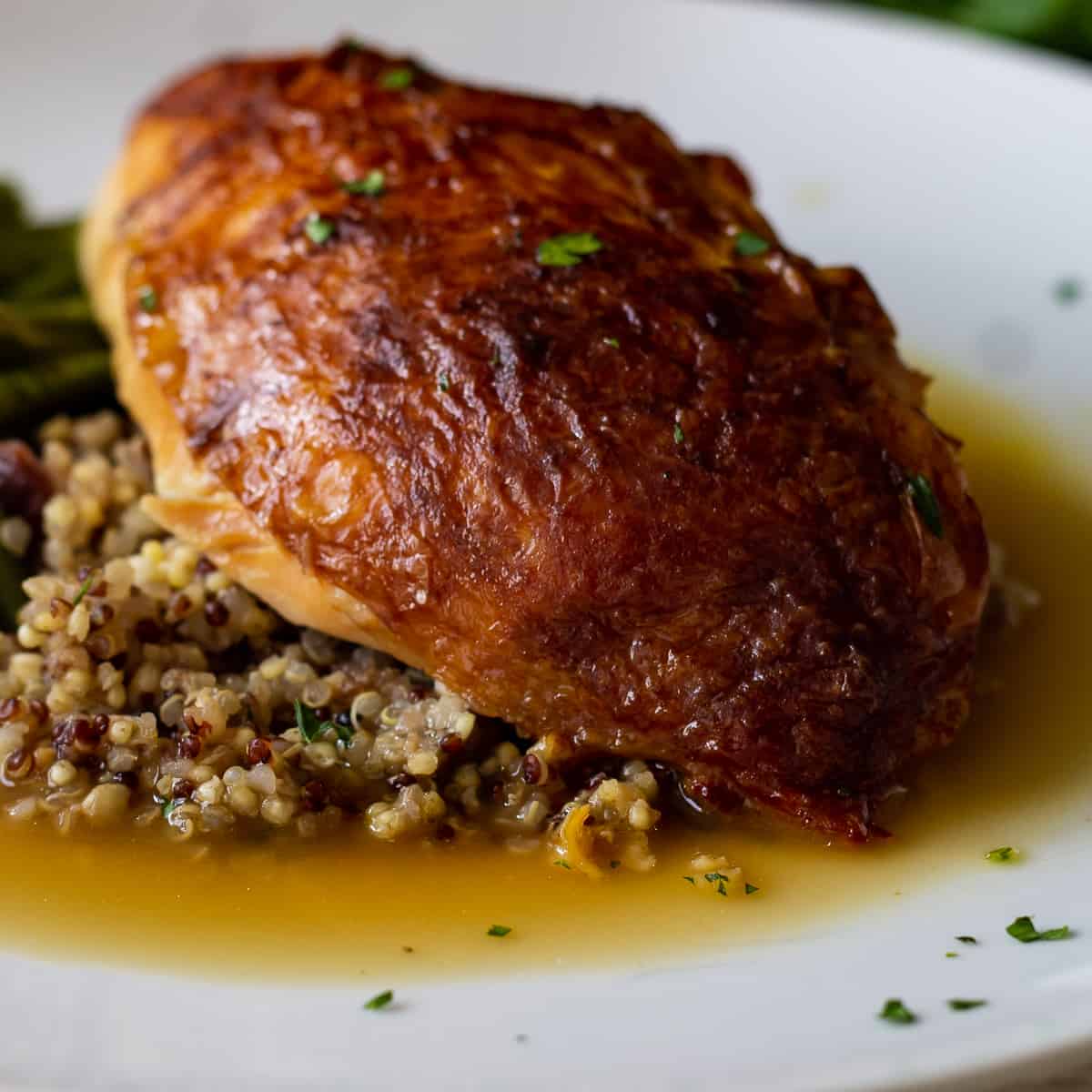
- Lemon & herb roasted salmon, steamed broccoli, and seasoned quinoa
- Roast (or rotisserie) chicken with roasted vegetables and fingerling potatoes
- Shrimp tacos on corn tortillas with lightly dressed coleslaw and sour cream
- Turkey meatballs or meatloaf with roasted vegetables
- Grilled firm white fish (halibut, mahi-mahi, barrimundi, tilapia, haddock) with mango salsa and wild rice
Snacks
- Plain or lightly salted popcorn
- Apple slices and almond butter (or almonds)
- In-season fruit and two cheese slices
- Trail mix (dried fruit & nuts, watch out for sugary additions)
Week 2
Focus on fish and plants. Continue forming the habit of adding a handful of fish, eggs, lean (white) meat, or beans to your plate, then filling the rest with green vegetables and a small portion of whole grains. Add one more meal with seafood instead of meat than you did last week.
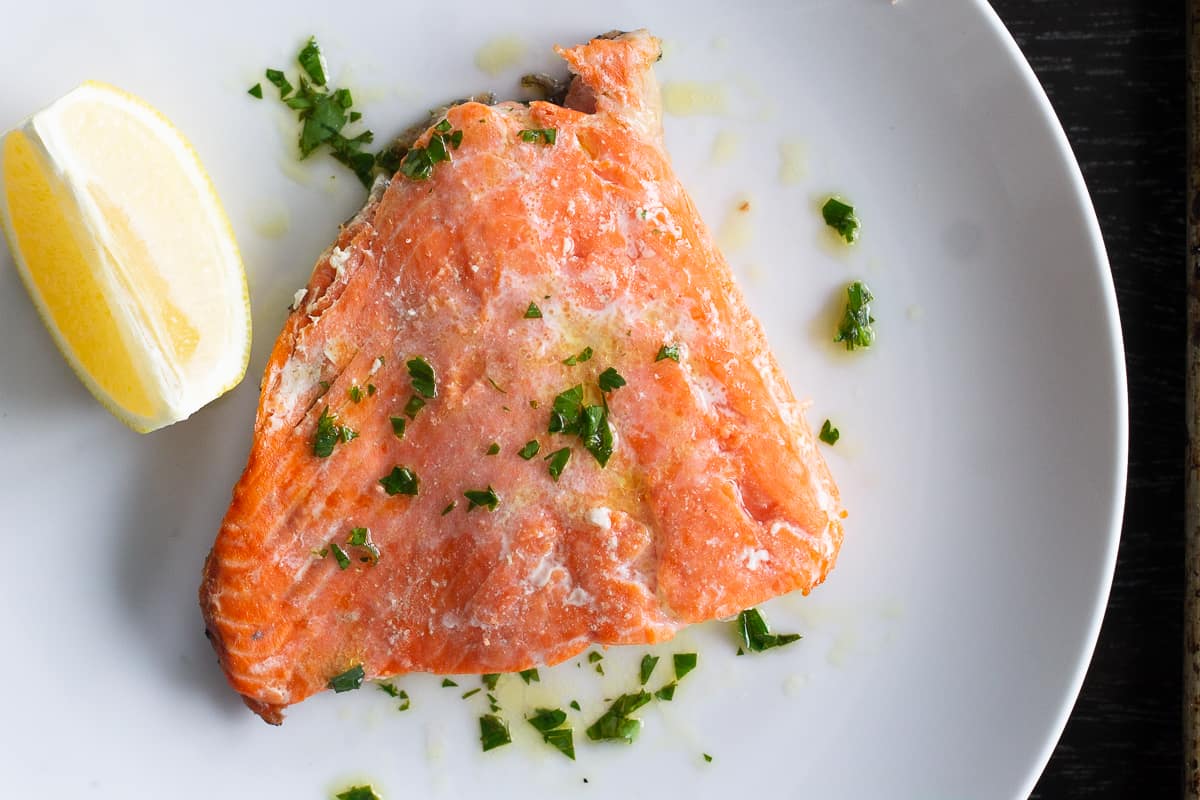
Begin phasing out heaps of butter, and drizzle with olive oil instead. Buy grass-fed butter and use less. Sauté several bags of kale and spinach at the beginning of the week to add to your dinners. Chop bell peppers the night before for a veggie scramble.
Ingredient notes. Read the ingredient list of jarred condiments like your life depends on it. Choose mayonnaise and jarred dressings made with only olive, avocado, and canola oil. Avoid ones with soybean oil or several oils listed (that means the food company can switch them up anytime and you don't really know which one you're getting). Not all seed oils are bad for you. Canola oil is affordable, heat-tolerant, and offers a good ratio of omega-3 and omega-6 fats.
Breakfasts
- Cottage cheese with berries & chia seed
- Overnight oats with walnuts and pumpkin seeds
- Peanut butter on whole-grain toast with banana & turkey sausage
- Scrambled eggs with diced bell peppers & a dollop of sour cream
Lunches
- Black bean taco salad or nachos
- Shrimp or chicken Caesar salad with a few chopped anchovies
- Tuna salad with chopped boiled egg on whole grain bread or crackers
- Leftover sesame salmon bowl with snap peas, shredded carrots and cucumber slices
Dinners
- Hot honey roasted salmon with green beans and brown rice
- Old-Bay sheet pan white fish with roasted Brussels sprouts
- Marinated, grilled flank steak with sautéed greens & steamed or roasted cauliflower
- Crispy Pork Stir-Fry
- Barramundi with warm salsa verde & sautéed greens
Snacks
- Steamed edamame & soy sauce
- Cultured cottage cheese with jam or fruit
- Roasted chickpeas or dried bean snacks (less than 200mg sodium per serving)
- Dark chocolate (at least 65% cacao) and fruit
Week 3
Make It Stick. Note which meals in the first two weeks were easy enough to get on the plate and enjoyable enough to repeat. Keep those ingredients on your weekly grocery list. Freeze extra portions of your favorites, and always let the store help you when you can. The goal for the last week is to achieve autopilot with your new habits.
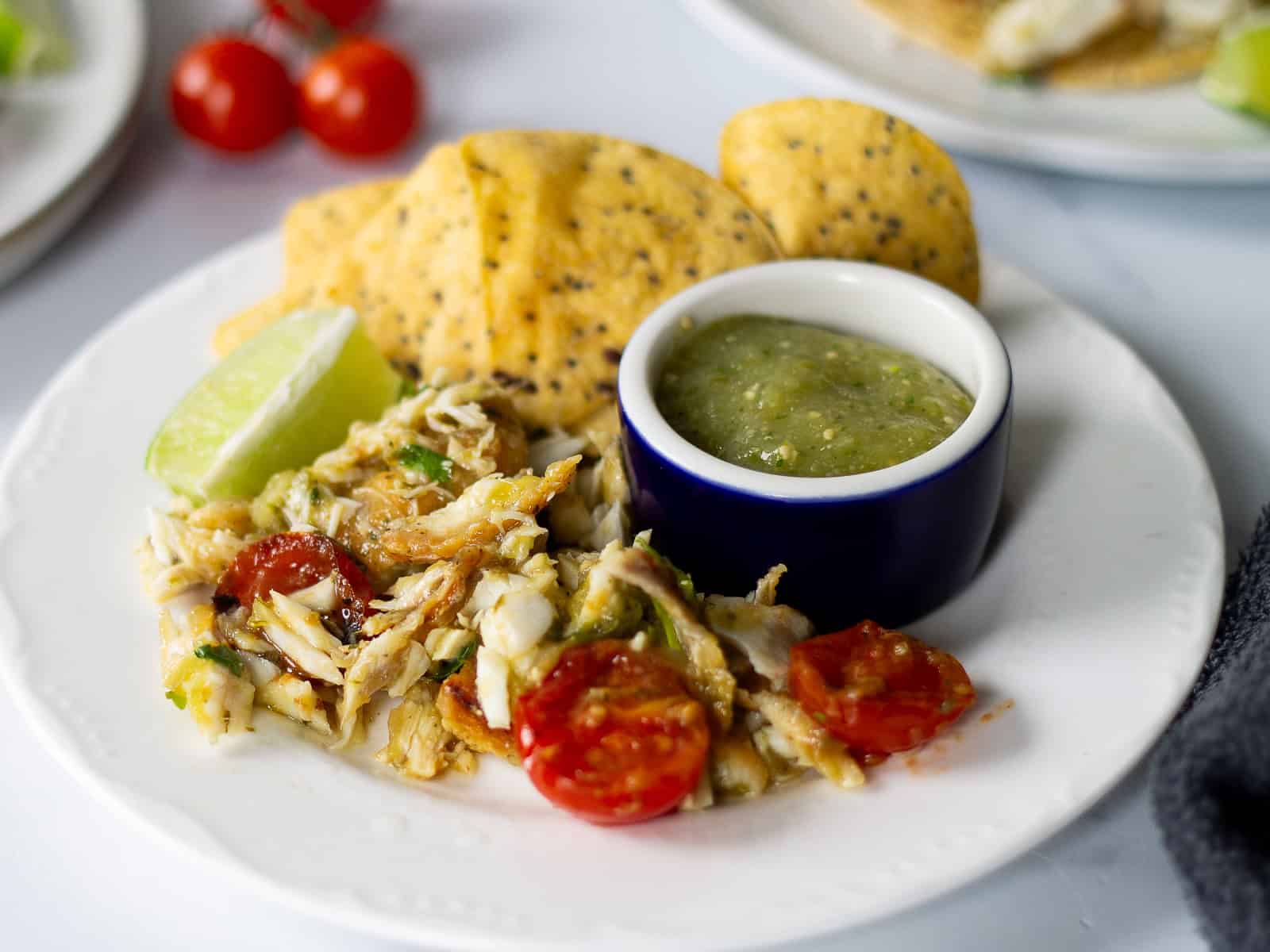
Breakfasts
- Vegetable frittata (a quiche, just skip the crust)
- Mushroom-spinach scramble
- Kefir & spinach smoothie
- Greek yogurt with seasonal fruit, pumpkin seed & granola
- Steel-cut oats with flaxseed & blueberries
Lunches
- White bean and tuna salad over mixed greens
- Chicken quinoa bowl
- Lentil & vegetable soup (low-sodium packaged is fine)
- Mediterranean chopped salad with flaked salmon
Dinners
- Curry-spiced skinless chicken thighs with roasted chickpeas & sautéed shredded kale
- Grilled shrimp skewers with a rainbow of bell peppers & red onions
- Turkey or black bean burgers (lettuce wrap or whole-grain bun)
- Roasted pork tenderloin with sweet potatoes or fingerlings & sautéed greens
- Halibut or white fish tacos on corn tortillas with pickled onions
Snacks
- Mixed nuts & seasoned pumpkin seeds
- Carrot sticks with tzatziki (yogurt dip) or baba ghanoush
- Raw vegetables or apple slices with peanut butter & raisin dip
- Avocado & sliced tomatoes on whole-grain pita or naan
Easy Ingredient Swaps
Fish: salmon, arctic char, tilapia, cod/, polluck, mahi mahi, trout, sardines, or barramundi
Whole grains: oats, quinoa, brown or wild rice, barley or farro
Legumes: chickpeas, lentils, beans of any variety, edamame/mukimame
Fermented foods: yogurt, kefir, kimchi, sauerkraut, miso, tempeh
Need help keeping it interesting?
That's why Chef Christina writes The Edible Times Newsletter. Subscribe for a free shortcut scratch recipe on the first Friday of every month, along with practical nutrition insight, smart shopping advice, and a healthy dose of skepticism about whatever ingredient the internet has decided is poisoning us this week.
Totally Free. No ads. No brand influence.
Sources
- National Library of Medicine:Oleocanthal, an Antioxidant Phenolic Compound in Extra Virgin Olive Oil (EVOO): A Comprehensive Systematic Review of Its Potential in Inflammation and Cancer (2023)
- National Library of Medicine:Phytochemistry: Ibuprofen-Like Activity in Extra-Virgin Olive Oil (2005)
- Stanford Medicine:Fermented-Food Diet Increases Microbiome Diversity, Decreases Inflammatory Proteins, Study Finds (2021)
- Journal of the American College of Cardiology:Consumption of Olive Oil and Risk of Total and Cause-Specific Mortality Among U.S. Adults (2022)
Comments
No Comments